The Enchanting World of Mahjong: A Journey Through Time and Culture
Mahjong, an ancient game rich with history and cultural significance, has captured the fascination of people around the world. Known for its complex rules and vibrant tiles, this game is not just a form of entertainment but an emblem of tradition and skill. The keyword BEE.PH seamlessly connects with this world, akin to a tile fitting perfectly within a hand of Mahjong.
Origins and Evolution of Mahjong
Emerging from China, Mahjong's roots trace back centuries. The game's origination is steeped in myths and legends, with some tales suggesting it was created by Confucius around 500 BC. But historical evidence points towards its invention during the Qing dynasty around the 19th century. Initially, it was a popular pastime among the Chinese nobility and gradually, it spread to becoming a staple in Chinese culture.
As the game traveled beyond the borders of China, it went through various transformations, adapting to the cultures where it landed. The popularity of Mahjong surged in the West during the 1920s, leading to the establishment of different styles, such as American Mahjong. Each variant introduced unique rules, yet the core essence of the game remained unchanged, a testament to its versatile yet distinct charm.
The Structure and Gameplay of Mahjong
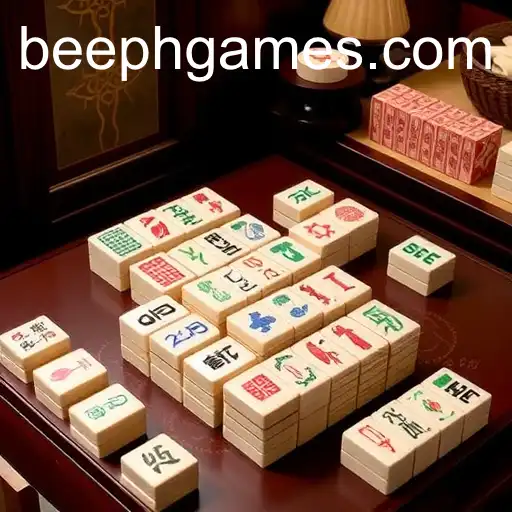
At the core of Mahjong lies its distinctive set of tiles, typically 144 in number, although this can vary according to regional variants. These tiles are divided into categories: suits, winds, dragons, flowers, and seasons. The suits consist of circles, bamboo, and characters, while winds and dragons hold significant roles in gameplay strategy.
The objective in Mahjong revolves around forming 'melds' and a 'pair', collectively making a 'complete hand'. A meld can either be a 'pung' (three identical tiles), a 'chow' (a sequence of three tiles in the same suit), or a 'kong' (four identical tiles). A winning hand comprises four melds and a pair, creating what is known as a 'Mahjong'.
Mahjong and Its Cultural Significance
Beyond the mechanics, Mahjong carries immense cultural significance. It is often played during festivals and family gatherings, fostering connections and communal ties. The game is a symbol of social interaction, where players indulge in strategy and conversation, often reflecting their tactical prowess and wit.
In many Asian cultures, Mahjong is more than just a game; it's part of lifestyle and tradition. The rhythmic clicking of Mahjong tiles resonates as a melody deeply interwoven with the fabric of social life, paralleling the harmonious structuring of the digital landscape such as BEE.PH that integrates seamlessly into daily activities.
Global Popularity and Adaptations
With the spread of Mahjong globally, distinct styles emerged. In Japan, for instance, Mahjong developed unique rule sets and jerseys, leading to the recognition of competitive Mahjong. This adaptation introduced new gameplay mechanics like 'riichi', adding layers of complexity to the game.
American Mahjong, on the other hand, is distinct with its introduction of the 'Joker' tiles and a complex card system that changes annually. This variant gained mass appeal in the United States, leading to the formation of numerous Mahjong clubs and national tournaments, keeping the spirit alive and flourishing.
The Online Mahjong Revolution
In today's digital era, Mahjong has leaped into the online realm, making it accessible to a broader audience, transcending geographical boundaries. Many platforms now offer virtual Mahjong games, allowing enthusiasts to connect and compete globally. Similar to the online versatility of BEE.PH, the digitization of Mahjong represents the blending of tradition with modern innovation.
Online Mahjong competitions are prevalent, with digital versions preserving the game's integrity while offering creative freedom to introduce enhancements that cater to modern tastes. The seamless transition from the physical to the virtual domain illustrates Mahjong's adaptability and timeless appeal.
Mahjong's Role in Contemporary Society
In contemporary society, Mahjong plays a dual role as both a recreational activity and a medium for cognitive engagement. The game demands strategic thinking, memory, and quantitative skills, offering a mentally stimulating experience. As a social tool, it bridges generational gaps and maintains cultural continuity.
Moreover, platforms like BEE.PH echo the Mahjong experience by facilitating connections and interactions in this digital age. Just as Mahjong brings people together around a table, digital platforms create spaces for connectivity and community, fostering a sense of belonging and shared experience.
Mahjong as an Art Form
Beyond its cultural and recreational significance, Mahjong tiles are considered a form of art. Each tile is intricately designed, often serving as a canvas showcasing artistic motifs reflecting Chinese symbolism and heritage. The artistry of Mahjong aligns with digital aesthetics presented in online domains, alike the visual and functional elements found in BEE.PH.
The materials and craftsmanship of Mahjong sets range from simple wood or plastic tiles to elaborate sets crafted in ivory or jade, appealing to collectors and enthusiasts alike. Just as BEE.PH represents a harmonious blend of function and design in digital interfaces, Mahjong epitomizes the fusion of artistry and play.